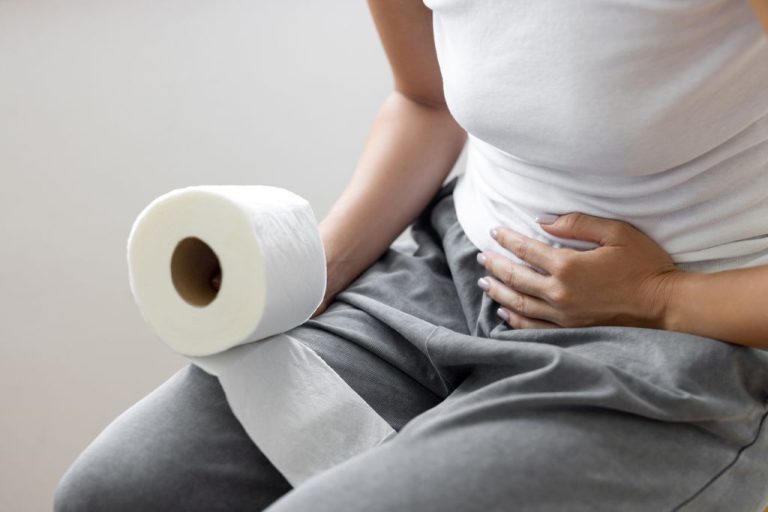
Almost everyone deals with diarrhea now and then. Loose, watery stools and urgent trips to the bathroom are usually a sign that your digestive system is reacting to something, such as an infection, a food that didn’t agree with you, or a medication. Most short bouts clear up on their own within a few days, but they can leave you feeling drained and make it hard to get through your day.
The goal is to stay comfortable and protect your body from dehydration while it recovers. This guide covers what causes diarrhea, practical steps to manage short-term symptoms at home, what to eat and avoid, when over-the-counter medication may help, and which signs mean it’s time to see a healthcare provider.
What Causes Diarrhea?
Diarrhea happens when stool moves through your intestines too quickly or contains too much water. Common causes include viral and bacterial infections, food poisoning, and parasites picked up from contaminated food or water. Many people get it after eating something that didn’t agree with them.
Other triggers include food intolerances such as lactose intolerance, certain medications (antibiotics are a common one), artificial sweeteners, and too much caffeine or alcohol. Stress and anxiety can also upset your gut. Ongoing digestive conditions, including irritable bowel syndrome (IBS), celiac disease, and inflammatory bowel disease (IBD), can cause diarrhea that keeps coming back.
Knowing the likely cause helps you choose the right approach. A stomach bug usually passes in a few days. Diarrhea that lingers or keeps returning often points to something that needs a closer look.
How to Stop Diarrhea Fast at Home
The most important step is to stay hydrated. Diarrhea drains fluids and electrolytes (minerals like sodium and potassium that your body needs to function), and replacing what you lose is what helps you recover. Sip water, broth, or oral rehydration solutions throughout the day rather than drinking large amounts at once.
Rest is also important. Your body is working to clear whatever is irritating your gut, and slowing down helps. Eat small, simple meals when you feel up to it, and don’t force food if you have no appetite. Wash your hands often, especially if the cause may be an infection, so it doesn’t spread to others.
Be realistic about quick fixes. There is no instant cure for diarrhea, but hydration, rest, and gentle foods give your digestive system the best chance to settle down within a day or two.
What to Eat and Drink When You Have Diarrhea
Fluids come first. Water is a good start, but when you’ve lost a lot of fluid, oral rehydration solutions are better because they replace both water and electrolytes. Clear broths and diluted fruit juices can help too. Sip slowly and keep going, even if you start to feel better.
When you’re ready to eat, choose bland foods that are easy to digest. Many people turn to the BRAT diet, which stands for bananas, rice, applesauce, and toast. These foods are gentle and help firm up stool. Other good options include plain crackers, oatmeal, boiled potatoes, and plain chicken. The BRAT diet is quite limited, so use it as a short-term bridge and return to a balanced diet as soon as you feel better.
Add foods back gradually. Start with small portions, and if a food makes your symptoms worse, hold off on it for a bit longer.
What Foods Should You Avoid With Diarrhea?
Some foods and drinks can irritate your gut and prolong diarrhea. Greasy, fried, and very spicy foods can speed up digestion, and dairy products can be hard to tolerate because diarrhea can temporarily reduce your ability to digest lactose. Caffeine and alcohol can make diarrhea worse and add to dehydration, so skip coffee, energy drinks, and alcohol until you’ve recovered.
Sugary drinks, including sodas and many fruit juices, can pull extra water into the intestines, and sugar-free products made with sugar alcohols such as sorbitol have a laxative effect. High-fiber and gas-producing foods, such as raw vegetables, beans, and whole grains, may also be too much for a sensitive gut right now. You can bring them back once your stools return to normal.
Can Medication Help Stop Diarrhea?
Over-the-counter medications can offer relief for some people. Common options include loperamide, which slows the movement of the intestines, and bismuth subsalicylate, which coats the digestive tract and may reduce stool output. They can be useful when you need to get through a workday or a trip, but they aren’t right for everyone, and they don’t replace fluids.
Check with a doctor or pharmacist before using them, especially if you have a fever, blood or mucus in your stool, or suspect a bacterial infection or food poisoning. In those cases, slowing things down can keep your body from clearing the cause. Children, teens, older adults, and people who are pregnant, take other medications, or have other health conditions should also talk with a provider first. Always follow the directions on the label, and stop and call a provider if your symptoms don’t improve.
When Is Diarrhea a Sign of Something More Serious?
Most diarrhea resolves in a few days, but some symptoms mean it’s time to get care. See a provider if you have persistent diarrhea lasting more than two days, or if your symptoms get worse instead of better. Signs of dehydration, such as extreme thirst, dark urine, dizziness, a dry mouth, or very little urination, also need attention.
Seek medical care promptly if you have blood or pus in your stool, black or tarry stools, a high fever, severe abdominal or rectal pain, or repeated vomiting that keeps you from drinking fluids. Unexplained weight loss and diarrhea that wakes you at night are also reasons to be evaluated.
Diarrhea that lasts for weeks or keeps coming back may signal a condition such as IBS, IBD, celiac disease, or an infection that needs treatment. A gastroenterologist can find the cause and help you get lasting relief.
Get Help for Diarrhea at Allied Digestive Health
You shouldn’t have to put your life on hold because of ongoing digestive problems. If you have persistent, recurring, or concerning diarrhea, or any of the warning signs above, the gastroenterology specialists at Allied Digestive Health can find out what’s causing it, rule out other conditions, and build a treatment plan that fits your life. If you have concerns about your symptoms, talk with a provider at Allied Digestive Health.